
How CRM Systems Support Better Business Development Outcomes
Business development is built on relationships. It depends on knowing who you spoke with, what was discussed, what comes next, and where each opportunity stands. As pipelines grow, managing all of this in spreadsheets or inboxes quickly breaks down.

Overview
This is where CRM systems become essential.
A CRM for sales acts as a single source of truth for leads, contacts, deals, and activity. It gives teams visibility, structure, and momentum. When paired with automation, it turns scattered outreach into a repeatable growth engine.
In this guide, we explain how CRM systems improve business development, the real CRM benefits, and how tools that automate the sales process drive better outcomes.
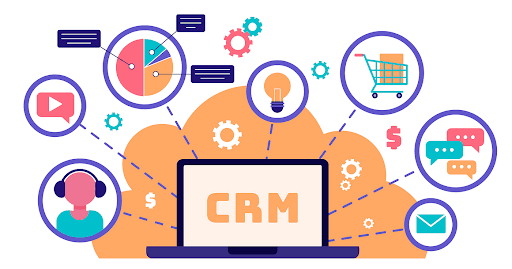
What a CRM Does for Business Development
- No more lost conversations
- Clear ownership of each opportunity
- Consistent follow up
- Full visibility across the pipeline
- Accurate forecasting
Instead of relying on memory or personal systems, teams operate from a common playbook. A CRM for sales transforms BD from an individual effort into an organizational capability.
Turning Activity Into a System
A CRM changes this by introducing:
- Defined pipeline stages
- Required next steps
- Automated reminders
- Activity tracking
- Performance reporting
Every deal follows a visible path. Every lead has a status. Every conversation leads to a next action.
This structure does not limit creativity. It removes friction. Teams spend less time managing information and more time building relationships.
How CRM Automation Improves Outcomes
- Auto logging emails and meetings
- Task creation after calls
- Lead routing based on rules
- Follow up sequences
- Stage-based notifications
- Deal health alerts
These workflows ensure nothing falls through the cracks.
When you automate the sales process, consistency replaces guesswork. Outreach becomes predictable. Follow-up becomes reliable. Managers gain real-time visibility instead of waiting for updates.
This is one of the most powerful CRM benefits. It turns effort into momentum.

CRM Benefits for Business Development Teams
- Faster response to inbound leads
- Higher follow up rates
- Shorter sales cycles
- Better handoffs between team members
- More accurate pipeline forecasts
- Data-driven coaching and improvement
For leadership, the CRM becomes a window into growth. For reps, it becomes a guide for daily action. CRM for sales aligns everyone around the same priorities.
Where BD Automation Has the Biggest Impact
- High-volume outbound teams
- Multi-touch sales cycles
- Distributed or remote teams
- Partnership-driven growth models
- Long sales cycles with many stakeholders
In these environments, manual tracking simply does not scale. Automation keeps the machine running.
The Bottom Line
By centralizing data, structuring pipelines, and enabling BD automation, a CRM for sales turns scattered activity into a disciplined growth engine. The real CRM benefits are not in software features. They are in outcomes.
Teams respond faster. Follow up better. Close more. Leaders see clearly. Strategy becomes execution.
When you automate the sales process, business development stops being reactive and starts becoming predictable. That is what drives sustainable growth.